Pharma analytics powering a 360-degree view of your projects, KPIs and strategic goals
Pharma analytics powering a 360-degree view of your projects, KPIs and strategic goals

Power your strategic portfolio management with data-driven decisions through real-time insights, and comprehensive dashboards.

Seamlessly integrate data from disparate systems to create a cohesive view of your projects. Our data management services ensure that you have accurate, up-to-date information at your fingertips, eliminating data silos and enhancing decision-making.

Automate routine data collection, processing, and reporting tasks to improve efficiency and reduce the risk of errors. Our automation solutions streamline workflows, allowing your team to focus on strategic initiatives and innovation.

Establish transparency at each level by providing insights into project performance, risk assessment, and resource allocation, along with tailoring these insights into custom and interactive dashboards specific to each stakeholder’s needs.

Maximize data utilization to ensure stakeholders at every level have real-time insights into how projects and portfolios contribute to overall strategic goals. This approach enhances data-driven decision-making across the organization.

Measure and monitor how each project contributes to your organization's overarching objectives. By providing real-time insights and performance metrics, stakeholders can have a comprehensive view of how the projects are supporting the strategic vision, maximizing value and impact across the portfolio.

Foster better collaboration across teams by providing a unified platform for sharing real-time project updates and insights. Ensure all stakeholders have access to the same data, improving communication, aligning goals, and driving more cohesive project execution.
Customized PPM analytics reports, aligned to common strategic objectives
R&D PPM project management dashboard
Provide stakeholders with real-time visibility into project milestones, risks, and project metrics with custom PPM reports. By consolidating critical data into an intuitive interface, it enables informed decision-making, identifies potential risks early, and ensures alignment with strategic goals, thereby optimizing project outcomes and resource utilization.


Objectives and KPI dashboard
An Objectives and KPI Dashboard offers stakeholders a clear, real-time overview of key performance indicators aligned with strategic goals. By tracking progress against objectives, it helps identify areas requiring attention, ensures alignment across teams, and facilitates data-driven decision-making to achieve desired outcomes efficiently.
Clinical trial milestones dashboard
Clinical Studies Dashboard provides stakeholders with a comprehensive view of study milestones, target versus actual enrollments, and screen fail rates, along with reasons for failures. By consolidating this critical information, it enables timely interventions, optimizes patient recruitment strategies, and ensures studies stay on track, ultimately supporting more effective and efficient clinical trial management.


Risk and opportunities dashboard
A Risks and Opportunities Dashboard equips stakeholders with a detailed overview of risks categorized by function, level, and category, complemented by a risk matrix and a summary of risk details. This comprehensive view facilitates proactive risk management, supports the identification of potential opportunities, and aids in making informed decisions to mitigate threats while capitalizing on strategic advantages.
Regulatory documents progress dashboard
A Regulatory Dossier Dashboard provides stakeholders with real-time visibility into the progress of regulatory documents, tracking each stage of development and submission. By offering a clear overview of document status, timelines, and potential bottlenecks, it ensures timely compliance, enhances collaboration, and supports efficient regulatory submission processes.



Why Planisware Orchestra is a one-stop solution for SME in project portfolio management?
Effective project management is crucial for driving strategic success. However, navigating project portfolios can be challenging due to siloed data, fragmented collaboration, and outdated practices. Planisware Orchestra is a comprehensive PPM solution to streamline decision-making, foster collaboration, and ensure adoption of best practice project management practices across organizations. This platform is equipped with modules for end-to-end Project Portfolio Management. It provides real-time portfolio visibility, reducing reporting time. With a user-friendly interface, Planisware Orchestra empowers project managers with seamless project planning, and tracking. It enhances stakeholder collaboration, enabling agile portfolio adaptation and an increase in overall organizational agility. Some of the key features of Planisware Orchestra Idea management: The Planisware Orchestra provides a centralized platform designed to capture, organize, and evaluate ideas effectively. This system facilitates a structured process where each idea undergoes meticulous analysis based on predefined criteria. It unveils associated costs and benefits, thereby aiding in the identification of potential obstacles or challenges. Agility with hybrid planning options: Catering to a variety of project management methodologies, including both traditional waterfall and dynamic agile approaches, Planisware Orchestra offers comprehensive support. This versatile tool enables users to select the most suitable method (agile or waterfall) for individual projects or seamlessly integrate both methodologies. With an extensive library of pre-built templates, initiating new projects becomes effortless, saving significant time and resources. Collaborate seamlessly: Planisware Orchestra fosters a collaborative environment where project participants can access a centralized repository of information, data, and documents. Detailed tracking of user interactions provides valuable insights that guide decision-making throughout the project lifecycle. Optimize resources and costs with precision: By offering a comprehensive overview of effort and cost data, Planisware Orchestra enables informed decision-making to maximize resource utilization and budget efficiency. Clear visibility into demand and resource availability empowers users to strike an optimal balance and ensure efficient allocation. Strategic portfolio management: Planisware Orchestra offers a comprehensive view of overall progress while ensuring strategic alignment across portfolios and programs. With insights into resource capacity and budget data, users can make informed top-down decisions that steer the organization towards success. This tool also facilitates data-driven decision-making at the project manager level, enhancing strategic planning capabilities. Modern dashboards: With visually engaging indicators and automatically consolidated Key Performance Indicators (KPIs), users can quickly grasp the overall progress of each project and gain valuable insights into the collective efforts of the team. Benefits of using Planisware Orchestra Consolidated and reliable project intelligence: Planisware Orchestra provides a single source of truth, offering consolidated and clear visibility into all project activities. Organizations can track progress, issues, expenses, time, and more in real-time, ensuring continuous alignment with business objectives and OKRs. Enhanced project visibility: With its robust features, Planisware Orchestra ensures real-time visibility into project progress, fostering open communication and informed decision-making. Stakeholders benefit from centralized data storage, enabling easy access to relevant information, timelines, and resource allocations. The platform's user-friendly interface promotes collaboration by simplifying document sharing, task assignment, and progress tracking. Seamless collaboration: The Planisware Orchestra enhances teamwork, aligns project goals, and streamlines workflows, ultimately boosting efficiency and project success. Its comprehensive tools empower stakeholders to work cohesively, fostering a collaborative environment that drives innovation and accelerates project timelines. Optimized resource allocation and planning: The platform's advanced algorithms analyze data to ensure efficient resource utilization, preventing bottlenecks and enhancing productivity. Its intuitive planning tools facilitate dynamic adjustments, aligning resources with evolving project needs. Planisware Orchestra offers real-time visibility into resource availability, enabling teams to make informed decisions and allocate assets judiciously.Strategic alignment and value prioritization: The Planisware Orchestra facilitates a systematic approach to prioritizing initiatives based on their strategic importance, ensuring that resources are directed toward high-value endeavors. Its comprehensive tools enable teams to evaluate projects against key performance indicators, fostering a strategic focus. Planisware Orchestra's dynamic features support continuous reassessment, allowing organizations to adapt swiftly to changing priorities. This ensures that resources are allocated to projects that deliver maximum value, enhancing strategic alignment and contributing to the overall success of the organization's objectives.i2e consulting is one of the most trusted Planisware partners. Our experts will support your Planisware journey from requirements analysis to tailored and swift implementation, active change management, and subsequent solution support – providing everything from a single expert source. If you'd like to get a live session of Planisware Orchestra or have inquiries on Planisware or PPM, i2e consulting is ready to assist. Get in touch with us, and we’ll be happy to schedule a non-binding demo appointment, unlocking the full potential of Planisware Orchestra for your organization.
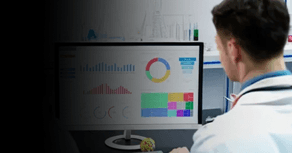
Executive dashboards for pharmaceutical companies
Executive dashboards transform pharmaceutical decision-making by consolidating critical data into real-time, visual insights across R&D, sales, and operations. These empower leaders with accurate, actionable analytics to streamline workflows, forecast revenue, and accelerate drug development.What is an Executive Dashboard? Executive dashboards are business monitoring tools used to track performance across Research & Development, Commercialization, and Sales & Marketing. They provide a single visual representation of KPIs and critical metrics relevant to business. These dashboards serve as a centralized hub, aggregating data from various departments such as sales, research and development, manufacturing, regulatory compliance, and more. Let us dive deeper into pharma Executive Dashboards Pharma projects are complex and extensive, and each drug may take up to 10-15 years to reach the market. In such a scenario, there would be huge amounts of data to analyze while making crucial decisions such as setting priorities in resource allocations, calculating pre-commercial revenue forecasting, analyzing market trends to design the most profitable commercialization strategies. Manual processes often cause errors and are time-consuming. They may also not have the capacity to retrieve real time data breaking data silos and disparity. Digital solutions tailor-made for specific business needs not only solve data silos and disparity problems, but also save time by reducing manual efforts. Cloud computing ensures scalability, and machine learning enhances forecasting in Pharma Portfolio Dashboards. These dashboards are accessible on various devices and have strong security measures. Customization options cater to specific organizational needs in Pharma market research, fostering insightful analytics. Digitalized Pharma Portfolio Dashboards are the best example of how technology can foster confident data-backed decision-making. How Portfolio Executive Dashboards are helpful in Pharmaceutical Industry? Portfolio Executive Dashboards play an essential role in enabling decision-making within the pharmaceutical industry. These sophisticated solutions provide a consolidated view of critical performance indicators, integrating data from various facets of the business. Pharma Executive Dashboards enable smooth informed decision-making for executives, offering insights into sales metrics, research and development progress, manufacturing efficiency, and regulatory compliance. Pharma executive dashboards serve as real-time visual representations, allowing executives to identify trends, assess risks, and capitalize on opportunities seamlessly. By incorporating pharma market research analytics, these dashboards not only offer retrospective insights but also guide future strategies, ensuring portfolios align with evolving industry trends and customer needs. Types of Pharma Executive Dashboards These executive dashboards leverage data visualization and analytics to provide decision makers with a holistic view of various aspects. Here are some types of executive dashboards used in pharma portfolio analysis: 1. Project Portfolio Management (PPM) Dashboard The Project Portfolio Management (PPM) Dashboard streamlines project oversight by offering a snapshot of project status, resource allocation details, risk tracking, financial insights, and an overall health score. This concise executive dashboard facilitates proactive management, ensuring optimal resource utilization and budget adherence. The portfolio health score, derived from key performance indicators, provides a quick assessment of the project portfolio's overall well-being, empowering decision-makers with essential insights for strategic and effective portfolio management. 2. Revenue Forecasting Dashboard The Revenue Forecasting Dashboard is a pivotal tool for strategic decision-making in revenue planning and strategy development by providing real-time sales projections. Through market trends analysis, it integrates competitor insights, market share data, and identifies emerging opportunities or threats, and ensures a focus on sales volume, market penetration, and customer feedback. 3. Clinical Development Dashboard The Clinical Development Dashboard offers insights into trial progress and timelines, providing a detailed overview of milestones and potential delays. Patient recruitment metrics track recruitment, helping to identify challenges and opportunities for improvement. It ensures adherence to regulatory requirements, guaranteeing a robust clinical development process. Safety and adverse event reporting keeps a vigilant eye on trial safety and provides timely monitoring and reporting for effective risk management. 4. Supply Chain Management Dashboard Supply Chain Management Dashboard ensures seamless operations offering real-time insights into inventory levels and guarantees adequate supply to meet demand. Supplier performance is rigorously evaluated, tracking delivery times, product quality, and compliance with regulatory standards. Leveraging historical data and market trends, the demand pharma forecasting feature optimizes product availability, enhancing overall supply chain efficiency. Benefits of Digitalized Executive Dashboards for Pharmaceutical R&D Technology backed executive dashboards offer a myriad of benefits for pharmaceutical Research and Development (R&D) organizations, enhancing efficiency, transparency, and decision-making processes. It includes: A comprehensive and real-time overview of R&D activities, consolidating Key Performance Indicators (KPIs) such as project timelines, resource utilization, and success rates.By centralizing data from various R&D processes, executive dashboards enable decision makers to identify bottlenecks, allocate resources effectively, and streamline workflows. This enhanced visibility facilitates proactive decision-making, allowing organizations to respond swiftly to challenges and capitalize on opportunities.Executive dashboards help in monitoring the progress of clinical trials, ensuring adherence to timelines and regulatory requirements.They enhance collaboration by providing a shared platform for cross-functional teams. This fosters communication and alignment of goals, accelerating the pace of drug development.With an executive dashboard, decision makers can quickly access and analyze a comprehensive view of the entire pharmaceutical portfolio. This expedites the decision-making process as executives can make informed choices based on up-to-date information, reducing delays, and improving overall efficiency.Automation reduces the reliance on manual data entry and manipulation, significantly decreasing the chances of human errors. This ensures that the data presented on the analytics dashboard is accurate and reliable, providing executives with confidence in their decision-making. As a pioneer in pharma data analytics and visualizations, team i2e engineered Clairvoyance- a custom Executive Dashboard Application tailored specifically for the pharmaceutical industry. This application offers a consolidated view of the client’s R&D project portfolio, providing executives with a powerful interactive tool for data-driven decision-making. This custom solution delivers a robust data quality verification platform and offers the analysis and visualization features needed to tackle the various problems the client was experiencing. The Clairvoyance custom dashboard platform can help the R&D leaders to align portfolio performance with their business goals. i2e Consulting helps global pharmaceutical companies to access insights and prepare decision dashboards tailored to their unique business requirements. Embrace the power of Clairvoyance, a cutting-edge decision management solution. Contact us now and seize the future of pharmaceutical innovation by optimizing, strategizing, and thriving with Clairvoyance.

Benefits of embedded analytics for the life sciences industry
Analytics always played a pivotal role in the life sciences industry. Owing to the dynamic and complex nature of drug development and marketing, pharma decision-makers rely heavily on data to decide on the future course of action. According to a Worldwide Health Industry 2020 predictions report, the next decade will be defined by healthcare data and technologies needed to harness themAs more and more data pours in, life sciences need to upgrade their analytics process to reduce manual interventions and adopt continuous real-time analytics. Embedded analytics can help them achieve this with less disruption to the existing systems and enabling the decision makers to spend less time making reports and more on taking decisions. So, what is embedded analytics? And how can it help the life sciences companies? Read on as we give answers to these questions and give more insights on embedded analytics. What is embedded analytics? With embedded analytics, you can embed dashboards, reports, and analytic tools within your applications, solutions or websites. Which means, your team can generate dashboards and charts within the application where the data is stored, without the need to shuffle between two applications. For example, if your organization is using Project Online or Planisware for project portfolio management, you can embed a powerful data visualization tool such as Power BI within Planisware to convert your insights into dashboards and graphs. Switching between applications is a time-consuming and error-prone process that can lead to losing focus and in some cases valuable insights. Embedded analytics makes it easier and more efficient to pull insights and visualize them without moving back and forth. Why Life Sciences Companies Should Consider Embedded analytics? Embedded analytics in any existing software or applications can help various departments in the life sciences company to provide easy access to key metrics. Let us tell you some major benefits of embedded analytics in various departments. Increase the efficiency of clinical trials Clinical trials play a major role in the drug development process, and embedded analytics can help you in making them quicker with reduced costs. Embedded analytics can help companies to constantly monitor key productivity metrics such as participant demographics, historical medical records, and past clinical events data. Such information can help in optimizing the clinical trials process and in identifying test sites with high patient availability. Pharma companies can also speed up the trail by effectively analyzing the patient data from wearables and patient apps producing results in less time. Streamline production with market demand Implementing embedded analytics into the production and inventory software applications can help companies gain insights into seasonal changes in demand, fast-moving drugs, and inventory metrics. Such insights can help production to dedicate more resources onto producing more drugs in demand. Decision makers can now spend more time analyzing dashboards and graphs than creating them. With the time saved in going back and forth between applications, your decision-makers can effectively concentrate on decision-making. Improve decision making Embedded analytics make collaboration within departments easy and convenient, thus helping your decision makers take holistic decisions. Your team leaders can engage better with scientists, drug research teams, government regulators and exchange ideas and information with ease. The visual of the analytical dashboard make information exchange easier, the incoming data can be efficiently converted into dashboards. With embedded analytics, valuable data can be accessed making project outcomes more accurate, and easier to spot patterns in the data. Industry leaders can make decisions on portfolios, supply and demand, and company priorities. Increase customer satisfaction Data-driven decision-making is the first rule for achieving customer satisfaction. However, data-driven decisions are made when the data is front and center, moving from one application to another to access dashboards and data can be tedious and time-consuming. Embedded analytics connects insights and plans of action in the same place, this helps companies to adapt better to the customer needs and incorporate data-backed decisions across the organization. In the fast-moving pharmaceutical and biotech industries, staying ahead of competitors and making the right decisions faster are pivotal. Having an embedded analytical system means saving time moving back and forth between applications, continuous monitoring, saving time in report generation, and less dependency on the IT team. Many of our clients have achieved increased productivity and saved report-generating time with embedded analytics. We have integrated Power BI into Planisware to help US Aramco get comprehensive dashboards within Planisware, you can read more details of it here. References Federico Mayr, and Silvia Piai, “The Future of Intelligence in the Healthcare Sector, IDC FAQsWhat are the primary benefits of embedded analytics in the life sciences industry?In the life sciences industry, embedded analytics provides real-time data insights that improve decision-making, increases user adoption of analytical tools, enhances productivity by integrating data within existing workflows, offers better patient and research outcomes through tailored insights, and supports a data-driven culture across research and development teams.How does embedded analytics improve decision-making in life sciences?Embedded analytics allows life sciences professionals to access real-time data within their workflows, enabling faster and more informed decisions. Researchers, clinicians, and administrators can quickly interpret data trends, patient outcomes, and research results, leading to more timely and effective interventions and innovations.In what ways does embedded analytics enhance productivity for life sciences professionals?By integrating analytics directly into the applications life sciences professionals already use, embedded analytics streamlines workflows, reduces the time spent switching between different tools, and simplifies data access. This integration allows researchers and clinicians to focus on their core tasks while having continuous access to critical data and insights.Can embedded analytics improve patient outcomes and research efficiency? If so, how?Yes, embedded analytics can significantly improve patient outcomes and research efficiency. By providing real-time, actionable insights within existing clinical and research applications, professionals can make quicker, evidence-based decisions. This can lead to more effective treatments, faster research breakthroughs, and optimized resource allocation, ultimately benefiting patients and advancing scientific knowledge.What cost advantages do life sciences organizations gain from using embedded analytics?Life sciences organizations can achieve significant cost savings with embedded analytics by reducing the need for separate business intelligence tools and minimizing training expenses. Integrating analytics within existing systems helps lower licensing fees, reduces the time and effort spent on data extraction and report generation, and streamlines operations, leading to overall lower operational costs and more efficient use of resources.
 Ask your question